
Paint Color Visualizer

How to Best
Visualize Your Chosen Colors
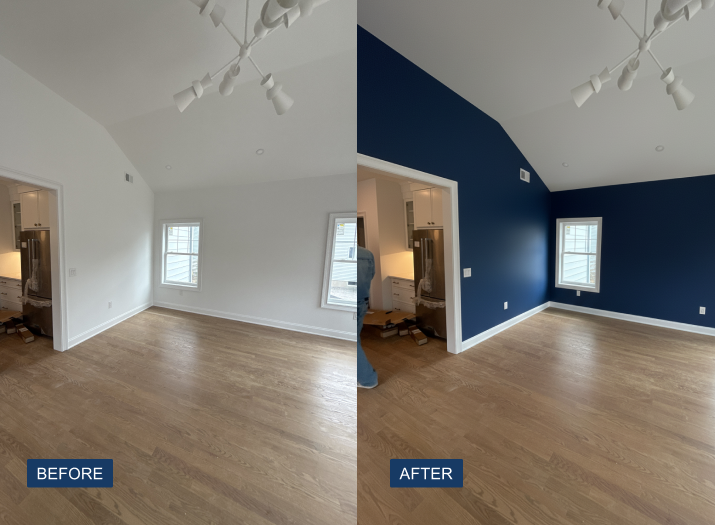

Use natural daylight conditions for true-to-life color accuracy
Capture images without harsh shadows or wall reflections
Frame the complete wall surface you wish to transform
How The Paint Visualizer Works

Upload a Photo
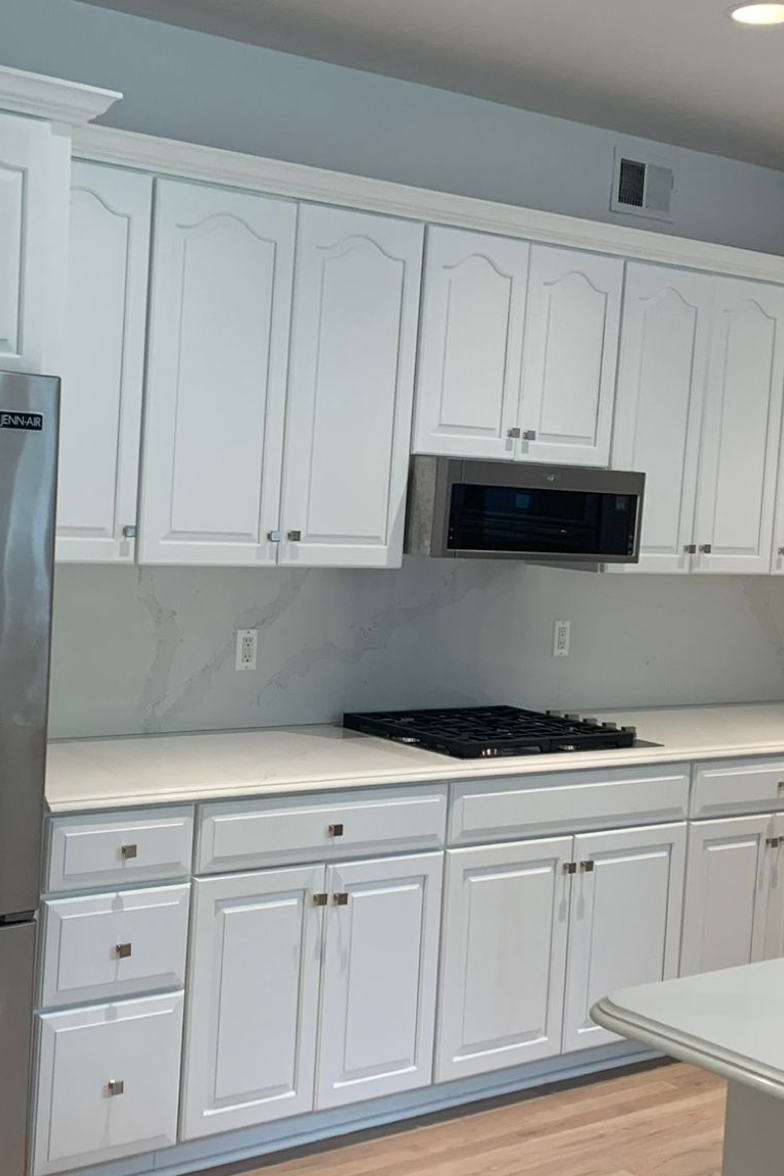
Capture and share a well-lit image of your space, interior room, or exterior surfaces using quality lighting

Describe Your Project
Share your vision with us in detail, as if consulting directly with our painting experts

Enter Email
Provide your email address to receive your AI-generated color preview

Get Preview
Access your realistic digital mockup displaying your space exactly as you envisioned it
Expert Paint Color Tips from Professional Painters
Though our digital tool offers reliable previews, we strongly suggest buying sample containers and applying large test patches (minimum 12x12 inches) directly on your walls. Monitor the colors throughout different parts of the day - early morning, midday sun, and evening conditions, as lighting significantly influences color perception.
The paint's sheen level impacts visual appeal and longevity. Flat and matte surfaces conceal wall flaws but require more maintenance - best suited for ceilings and minimal-contact zones. Eggshell and satin provide a gentle luster with improved cleaning capabilities for walls. Semi-gloss and gloss options deliver durability with easy maintenance, making them ideal for woodwork, doorways, and moisture-heavy spaces including kitchens and bathrooms.
When selecting exterior colors, let your property's architectural design inform your palette. Traditional colonial structures complement timeless whites paired with rich reds or blues. Contemporary properties accommodate striking charcoals and bold color combinations.
Ready to Paint Your Home?
Once you've selected your ideal colors through our visualizer, arrange a complimentary consultation with New Jersey's premier interior painting specialists.

Send us a message
Send us your questions or project details, our team will get back to discuss your painting needs.

Give us a call
Give us a call for immediate assistance or to book your free painting estimate in New Jersey.
Explore our wide range of services





Frequently Asked Questions About Colors
Paint shades can vary significantly based on illumination sources (daylight vs. electric, warm vs. cool lighting), adjacent colors, wall texture, and existing base color. Always trial paint samples directly on your walls and review them throughout various times of day before finalizing your choice.
Eggshell and satin sheens rank as top choices for interior wall surfaces - they provide gentle luster, simple maintenance, and conceal small flaws. Choose flat/matte for overhead surfaces and minimal-use spaces. Semi-gloss suits trim, doorways, and humid environments including bathrooms and kitchens where resilience is essential.
Warm white options contain yellow, cream, or pink tones creating an inviting, comfortable atmosphere. Benjamin Moore's White Dove exemplifies this category. Cool whites feature blue or gray bases delivering a fresh, contemporary feel. Chantilly Lace represents cool whites well. Your selection should align with your space's natural lighting and current decor.
Top-selling interior shades include cozy neutrals such as Sherwin Williams' Agreeable Gray and Benjamin Moore's Revere Pewter. These adaptable greige (gray-beige blend) tones complement various furniture designs, floor materials, and lighting scenarios while delivering elegance and comfort.
Professional designers typically suggest 3-5 shades to create a unified interior scheme: a primary neutral covering the majority of walls, one to two statement colors for accent walls or designated areas, plus a uniform trim shade used consistently. This approach establishes continuity throughout your home while giving individual rooms distinct personality.
Begin by examining your room's permanent features (floors, counters, or primary furnishings) to determine their underlying tones. Select paint shades that harmonize with these undertones. Apply the 60-30-10 design principle: 60% primary shade (wall surfaces), 30% supporting colors (upholstery/fabrics), 10% highlights. Our preview tool allows you to experiment with color pairings before purchasing.
Pale, cool-toned shades including whites, gentle grays, and soft blues expand a room's perceived size by bouncing light and creating visual depth. Benjamin Moore's Chantilly Lace and Sherwin Williams' Pure White work exceptionally well. Applying identical colors to walls and trim removes visual interruptions, maximizing the feeling of openness.
Classic design favors bright white or cream trim that's lighter than walls, establishing crisp definition and enhancing wall color richness. Contemporary styles, however, also welcome matching trim and wall colors for a smooth, modern aesthetic, or darker trim for striking visual impact.